Ants in your rice? Eat up if researchers succeed in growing bugs for food
Repeat after me: Entomophagy. It's derived from Greek and Latin: "Entomon", meaning "insect", and "phagus", as in "feeding on". Some remember it's the futurity of food.
In 2013, the Food and Agriculture Organization of the United Nations released a report declaring the need to swap traditional protein sources for insects to support a sustainable future. The report helped drive an explosion of efforts all dedicated to making mealworms your next meal.
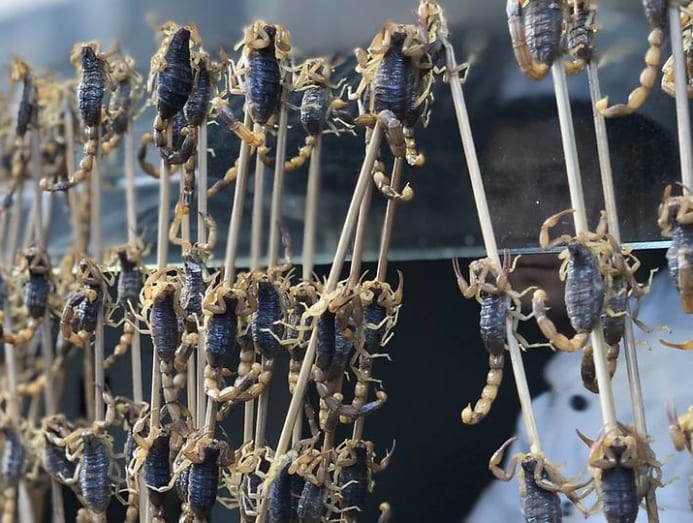
Presenters at a 2022 briefing in Georgia, Eating Insects Athens, published papers this month in a special issue of the Annals of the Entomological Society of America. The volume showed how people who study insects scientifically are now spending more time thinking about eating them. Here are some highlights of what the researchers constitute.
READ: Ants, crickets and cockroaches - healthy snacks that taste like white potato fries
THANK CHRISTOPHER COLUMBUS
When Christopher Columbus returned from the Americas, he and members of his expedition used the insect-eating of the native inhabitants as an instance of savagery, and as justification for dehumanising people he would later enslave, said Julie Lesnik, an anthropologist at Wayne State University and writer of Edible Insects And Human Evolution.

While it wasn't the only factor, the colonial era deepened the stigmatisation of entomophagy in mainland Europe, and in turn, among European settlers in the Americas. Farther distaste grew as insects threatened profitable agronomical monocultures supported by slavery and industrialisation.
It wasn't always that way. Aristotle loved cicadas. Pliny the Elder preferred protrude larvae. They weren't that different from insect eaters among other cultures on other continents.
READ: Nutrient of the future? Five-star edible insects served upward as Thailand gets creative with bug business organisation
THOSE WHO EXPERIENCED COLONIALISM MAY LEAD THE WAY
Evidence of insects in written reports, fossilised faeces and mummies constitute in caves across Due north America, and corroboration from nearly every other continent, suggest humans have valued insects as nutrient for millenniums.
Today, billions of people still consume more than ii,100 insect species worldwide. Even in the United States, Kutzadika'a people or "fly eaters" cherish salty pupae from Mono Lake in California.
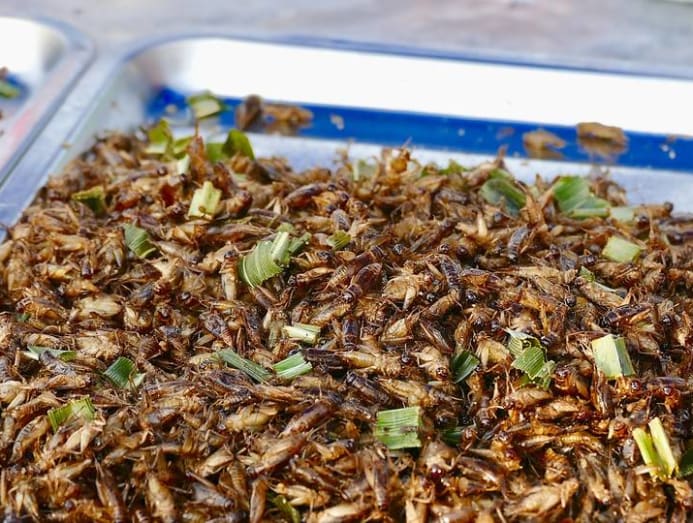
Some shoppers may be following suit, purchasing popular cricket flour and protein confined from manufacturers similar Chapul in specialty shops and on Amazon. That company is named later an Aztec word for cricket, and pitches itself to customers equally aiming to reduce water usage by livestock in the American West and connecting with native cultures' food knowledge.
UNDOING CENTURIES OF ENTOMOPHAGY-PHOBIA
Many of us were programmed early in life to fearfulness insects, and developing an appetite for them won't be piece of cake. "It's okay if you think it'southward gross. It's totally fine," said Dr Lesnik. "You didn't enquire to be programmed this style."
Merely entomophagy advocates think reprogramming can transform people's attitudes toward insects. For case, kale, sushi, lobster and even olive oil or tomatoes were once scorned and unfamiliar in some cultures.
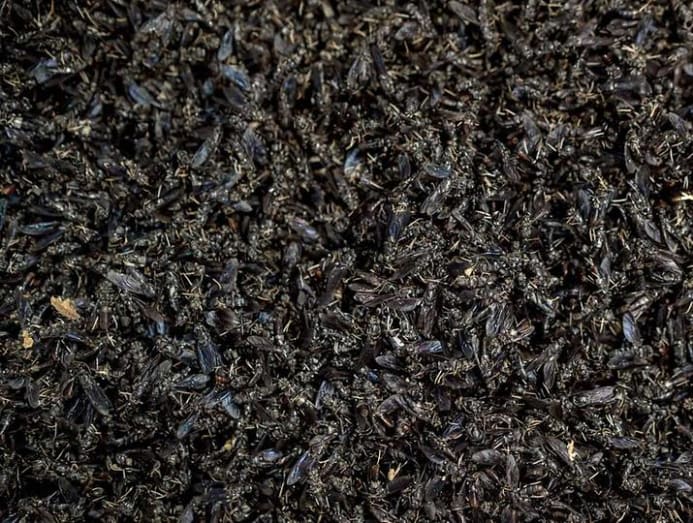
Merely modify can come near. With didactics and by acknowledging negative feelings toward eating insects, adults can try to resist passing them to their children.
"It will really benefit them if they don't think bugs are gross," she added. "Because it's our kids' generation that'southward going to have to be able to solve those problems."
However, INSECTS AREN'T YET Beefiness OR CHICKEN
In the United States, blackness soldier flies, skillful at converting waste matter products to protein, accept long been used every bit feed for poultry and farmed fish.
READ: Microplastics may enter foodchain through mosquitoes
To better understand how to produce more of them, researchers accept just characterised their reproductive systems – from the tracts' shapes to the sperm tails' lengths. They take as well discovered that larvae raised in relatively low densities are more probable to survive, abound heavier at each life stage and develop more rapidly.
That kind of enquiry could be a model for eventually mass producing other insects for homo consumption, like mealworms or crickets, which we're a long way off from growing in ways that could feed the masses. While years of agronomical inquiry have guided industry regulations aiming to make beefiness, poultry and pork healthier and safer, and less wasteful of what they eat, similar enquiry and rules for nearly insects are a long fashion off.
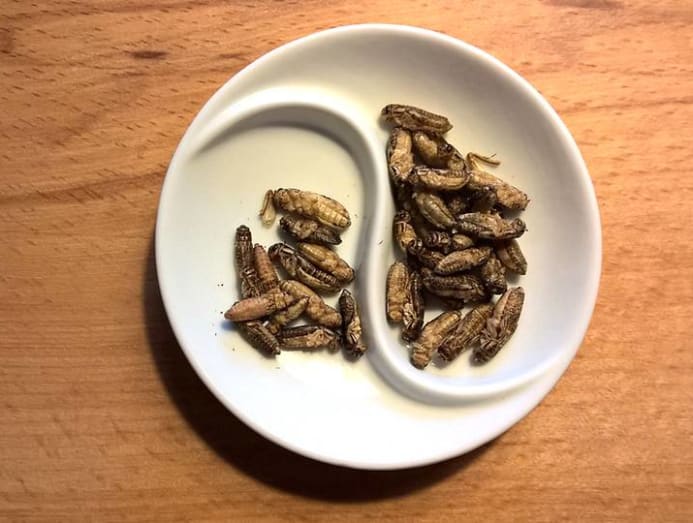
WHEN INSECTS ARE AND ARE Not FILTHY
Here's a conundrum: When an insect is in our food, the Nutrient and Drug Assistants considers it "filth". Just every bit long equally manufactured insects are "free from filth, pathogens, toxins," the Section of Agronomics says information technology's food.
While regulations are articulate virtually insect food sales, they're more than like guidelines for insect food and feed product. The lack of stronger regulations may be limiting the number of insect-based foods on the market today.
READ: Rotten shark made you queasy? A vomit bag for every guest at the Disgusting Nutrient Museum
Fifty-fifty if consumers become more comfortable with the idea of eating insects, they won't stay that way without specific regulations meant to ensure quality and safety. That's a goal supported past manufacture groups similar the North American Coalition for Insect Agronomics, recently formed, in role, to work with regulators as more bugs are introduced into our diets.
By JoAnna Klein © The New York Times
Source: https://cnalifestyle.channelnewsasia.com/entertainment/research-into-growing-eating-insects-for-food-230096

Post a Comment for "Ants in your rice? Eat up if researchers succeed in growing bugs for food"